
US designates Helium a critical mineral
The US has moved to secure Helium supply chains by adding the noble gas to its Critical Minerals List.
The weekend move from the US Department of Energy contrasts with Australia, where Helium was removed from the Critical Minerals List in 2023.
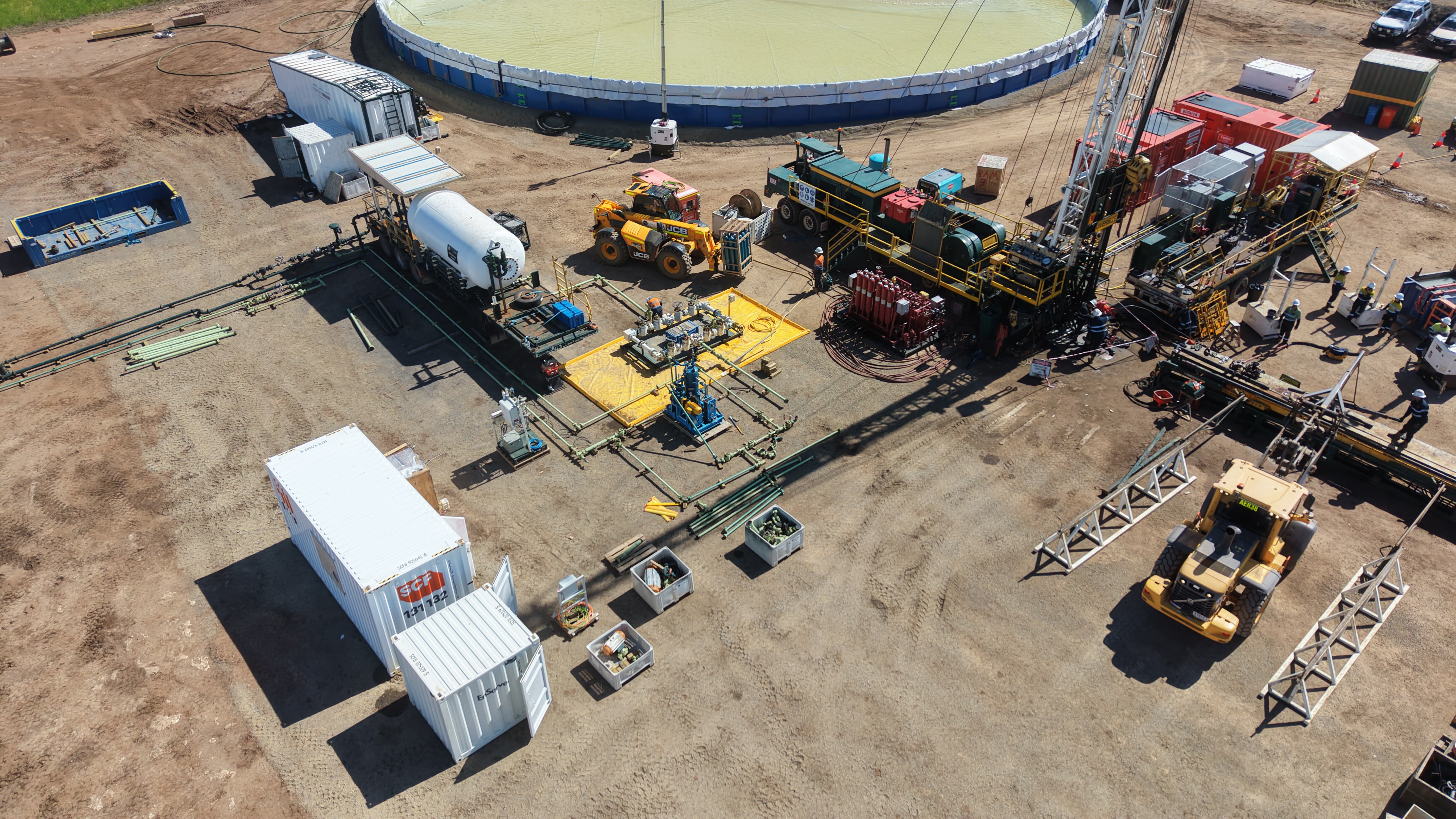
Gold Hydrogen’s Ramsay 3 well on the Yorke Peninsula.
US Secretary of Energy Chris Wright said: “Helium is essential to producing the semiconductors and advanced technologies that power our economy. By designating Helium as a critical material, we are taking another step toward securing our supply chains, creating American jobs, and ensuring the United States leads the world in energy and technological innovation.”
Global demand for Helium is growing faster than production, particularly since the war in Iran took our major processing facilities in Qatar. Since then another large producer, Russia, has moved to restrict exports.
Australia produces no Helium and relies entirely on imports.
It is understood the Australian Government is reconsidering whether Helium should be recognised as being a critical mineral in the wake of the current supply issues.
Gold Hydrogen, which has found Helium in world leading high purities of up to 36% on South Australia’s Yorke Peninsula, recently announced it was investigating building a pilot commercial Helium plant.
The company has long called for Helium to be put back on the country’s Critical Minerals List -- because of shortages and its increasing importance in semiconductors and major role with hospital MRI machines.
Gold Hydrogen managing director Neil McDonald said putting Helium back on Australia’s Critical Minerals List was the easiest way to secure under-pressure supply chains. It would also make it easier for explorers to get product to market.
"The US move is not unexpected – the war in Iran has exposed shortages while at the same time the AI boom has heightened Helium’s importance," Mr McDonald said. "In this environment, Australia can’t afford to stand still."
The US announcement can be found here.
Meanwhile, recent data from Helium supply analysts Akap Energy highlights why the US has moved on its Critical Minerals List.
The Defense Logistics Agency (the US military’s central procurement arm) has raised its FY'27 standard price for bulk gaseous Helium to US$1,338/mcf, up 40% from a year earlier. It is the price it charges US military customers and is set in advance for the full fiscal year. Details here.
Akap also reported pressure in China where prices rose from ~US$420/mcf to ~US$2,100/mcf within days of the Iran war, before easing as Russian imports kicked in. Since Qatari supply was cut, Russia’s share of Helium imports to China rose from 44% to 64%. Details here.